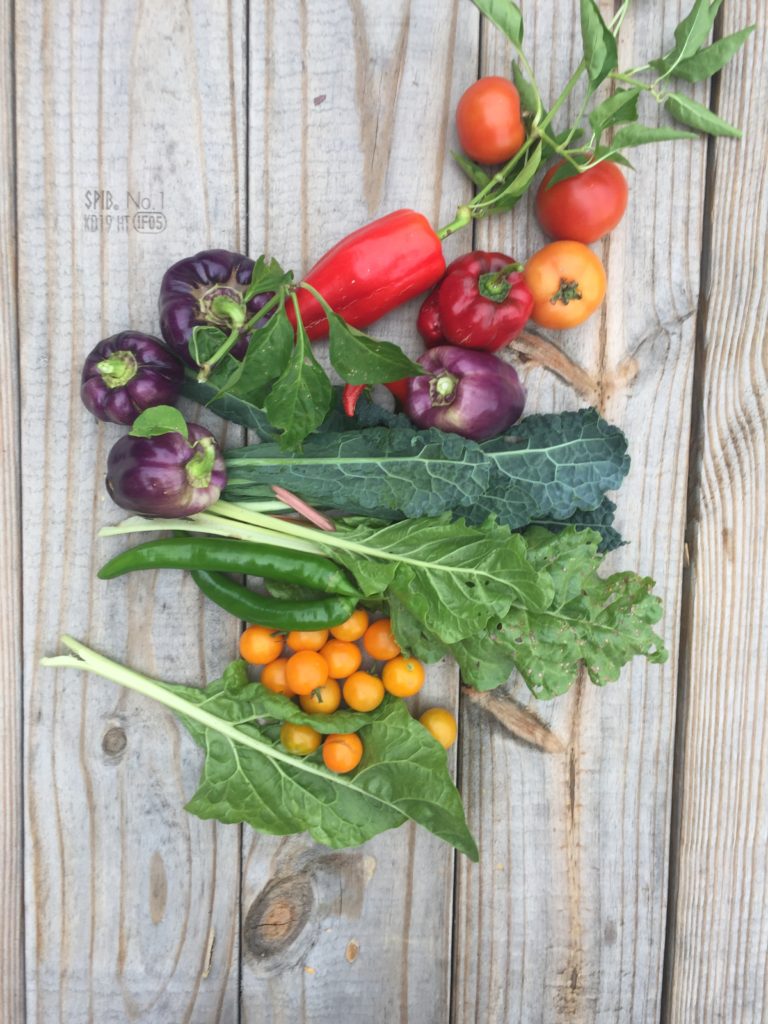
Cooking is such a struggle for so many of us that we often outsource it.
Grab a take-out on the way home from work, check out what’s cooking at the WF hot bar, or microwave a frozen dinner a.k.a TV dinner to feed the hunger. It is hard to think logically when you have low blood sugar after a long and busy day, so thinking short-term makes sense at that moment. At some point, usually, when you start having kids, that lifestyle becomes unsustainable. Multiply the cost of a restaurant dinner by 5 and now you see why. Later in life, eating out becomes unbearable because our bodies become more sensitive to bad oils, salt, and ingredients that are past their peak.
To summarize it all, the food we consume affects two of the most important aspects of our life; health and finance.
Take a cooking class in person or online or get on our meal prep subscription program
Beets– both the leaves and the root are full of nitrates and vitamins to regulate your blood pressure. they are sweet so beware if you need to watch your sugar intake.
Microgreens– great things come in small packages. The baby versions of radishes, cabbages, kale, and broccoli can be higher in nutrients like vitamins C and E than the regular, mature plants. They range in flavors from peppery to tangy. Try Hamama I’ve been very happy with their microgreens growing kit.
Watercress– crunchy and has a unique flavour. great for salads.
Swiss chard– Two main varieties of Swiss chard are found on store shelves: one with multicoloured stems and veins, often called rainbow chard, and another with white stems and veins. Both are great sources of lutein and zeaxanthin, an antioxidant duo that’s good for your eyes.
Collard greens-This Southern favorite contains a wealth of nutritional goodness, including notable amounts of vitamins K and C, folate, and beta-carotene. To boost your daily nutrition, aim to eat about 2 cups of dark, leafy greens like collards every day. Two cups of raw greens is equal to 1 cup of vegetables, and 2.5 cups is recommended daily for a 2000-calorie diet
Asparagus– With an earthy-sweet flavor, asparagus is a good way to load up on folate. Research suggests that this B vitamin is an ally in the battle against high blood pressure
Spinach– This green has healthy amounts of vitamins C, A, and K as well as manganese. Working 1.5 cups of green, leafy vegetables into your day may lower your odds of getting type 2 diabetes.
Baby kale– Packed with nutrients like beta-carotene, vitamin C, and bone-building vitamin K, kale has been billed as an ultimate super food. Not everyone likes its strong flavor. Enter up-and-coming baby kale. The immature kale leaves are deliciously tender and don’t require any chopping.
Frozen peas– It’s always a good idea to stash a bag of green peas in your freezer. Each cup of frozen peas delivers an impressive 7.2 grams of fiber. Fiber helps you feel full, so you eat less later. It’s also good for your digestion and helps lower cholesterol levels.
Peas-It’s always a good idea to stash a bag of green peas in your freezer. Each cup of frozen peas delivers an impressive 7.2 grams of fiber. Fiber helps you feel full, so you eat less later. It’s also good for your digestion and helps lower cholesterol levels.
Pepper– You think of it as a veggie, but it’s actually a fruit. One medium pepper delivers B vitamins, beta carotene, and more than twice your daily need for vitamin C.
Broccoli– broccoli is one of nature’s rock stars. It’s a top source of natural plant chemicals shown to help lower the risk of some cancers (though many other things also affect your cancer risk). Each cup of the florets also gives you plenty of vitamins C and K.
Learn how to properly cook vegetables in our new course!!